
 Europa
 Canadá
 Estados Unidos
¿Qué es un vaporizador de hierbas secas?
A dry herb vaporizer is a device designed to heat dried herbs and other botanical materials until they release vapor. Unlike burning, which involves combustion, a vaporizer heats the material at a lower temperature. This releases the aroma and flavor of the herbs without burning the plant material.
How do Dry Herb Vaporizers Work?
Dry herb vaporizers work by heating plant material to a lower temperature that still releases its active ingredients while preventing the material from combusting. Here’s a breakdown of vaporizer components and how they function:
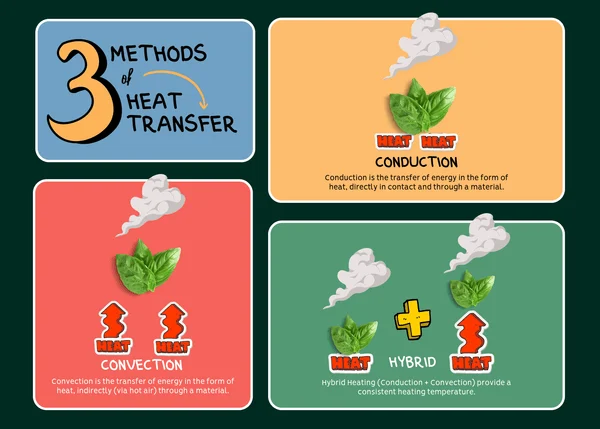
- Heating Element: Vaporizers typically use either conduction or convection heating.
- Convection Vaporizers: These heat the air that passes through the herb, ensuring an even temperature and more efficient extraction of active compounds. This method often results in a purer flavor and denser vapor.
- Conduction Vaporizers: These directly heat the surface of the herb, which can lead to faster vaporization but may cause uneven heating if not properly designed.
- Hybrid Heating: This design incorporates both conduction and convection heating methods to provide consistent air temp and precise element temp to ensure accurate vaporization.
- Temperature Control: Most vaporizers allow users to adjust the temperature, enabling them to control flavor and vapor production. Being able to set a vaporizer to a specific temperature is important because different compounds vaporize at various temperatures. Lower temperatures tend to bring out more flavor, while higher temperatures produce denser vapor.
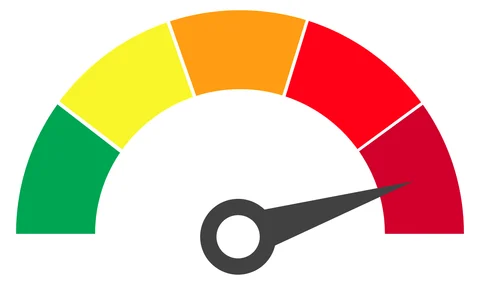
- Vaporization Process: When the herb reaches the desired temperature, the active compounds turn into vapor, which can then be inhaled. This process preserves flavors without combustion.
- Inhalation: The inhalation technique can directly affect the amount of vapor that is produced. A slow continuous draw pulls the heat evenly over the herb to create vapor which is pulled through a mouthpiece. This ensures consistent heating of the herb while giving it time to cool down. The experience is typically smoother and less harsh than smoking.
- Design Features: Many vaporizers come with features like adjustable airflow, built-in batteries, and digital displays for ease of use and customization.
Overall, dry herb vaporizers heat your material evenly and efficiently, without burning it.
How to Use a Dry Herb Vaporizer
Using a dry herb vaporizer is pretty straightforward once you’ve learned how they are operated. There is a quick guide below, but you also have a more detailed resource on how to vape dry herb for beginners, if you require more information.:
1. Gather Your Materials
- Grab your dry herb vaporizer and grinder to prepare your herbs to be vaped.
2. Choose Your Herb
- Select high-quality, dried herbs. Grind them to a medium consistency, exposing more of the material to ensure even vaporization.
3. Load the Chamber
-
Open the herb chamber and fill it with your ground herbs. Avoid overpacking, as this can restrict airflow, but also do not under pack as this can lead to inconsistent heating.

4. Set the Temperature
- Turn on your vaporizer and set the desired temperature. Most vaporizers offer a range, but 182 °C to 210 °C (360 °F to 410 °F) is common for optimal flavor and vapor production.
5. Wait for It to Heat Up
- Allow the device to reach the set temperature. This usually takes a few seconds to a minute, depending on the model.
6. Inhale
- Once the vaporizer is ready, take slow, steady draws from the mouthpiece. Start with shorter draws to find what suits you.
7. Adjust as Needed
- If you prefer thicker vapor, you can increase the temperature slightly. Start at a lower temp, increasing over the course of your session. Slow incremental temp adjustments will allow you to experiment with settings to find your ideal experience.
8. Clean After Use
- After your session, allow the device to cool and clean the herb chamber, mouthpiece, and screens with a brush to maintain performance. Perform a deeper clean on your device after multiple sessions to ensure longevity.
9. Store Properly
- Keep your herbs in a cool, dry place in an airtight container to preserve freshness for your next session.
Benefits of Using a Dry Herb Vaporizer
Using a dry herb vaporizer has several benefits over smoking:
- No Combustion: Vaporizers heat herbs without burning them, producing vapor instead of smoke.
- Flavor Preservation: Vaporizers often retain the flavors and aromas of the herbs better than smoking, providing a more enjoyable experience.
- Efficiency: Vaporizers can extract active compounds more efficiently, meaning you may use less material.
- Temperature Control: Many vaporizers allow for precise temperature settings, so you can fine-tune flavor and vapor density.
- Less Odor: Vapor has a less pungent smell compared to smoke, which can be more discreet and less likely to linger on clothing or in spaces.
- Cooler Vapor: Vapor is generally cooler than the hot smoke produced by combustion.
- Convenience: Many portable vaporizers are designed for on-the-go use, making it easier to enjoy herbs discreetly and efficiently.
These advantages can make vaporizers a preferred choice for many users looking for a more flavorful experience.
Buying a Dry Herb Vaporizer
When buying a dry herb vaporizer, consider several key factors to ensure you choose the right one for your needs. First, look at the heating method, convection, conduction, or a hybrid that utilizes both. Check the temperature control options, as precise settings allow for better customization of your experience. Battery life is crucial, especially if you plan to use it on the go, so look for a model with a long-lasting battery or the option for pass-through charging. Additionally, consider the size and portability of the vaporizer, as well as its build quality and material, which can affect durability and flavor.
If you still need help purchasing a dry herb vape, contact our knowledgeable team of vaporizer experts.
We’ll help you buy the best portable dry herb vaporizer for your needs.
Correo electrónico: help@gpen.com